Will Shane Healy
Hi, I'm Will. I'm a 24 year old Machine Learning Engineer living in Manhattan. I previously studied AI and Math at Stanford. Before that, I was an aspiring professional freestyle snowboarder competing on the world cup circuit. I made this website to share my writing. I was inspired to do this by my dad, who comfortably into his retirement got bored and decided to write one of the most comprehensive and intuitive pieces of option pricing literature I've ever read. He focuses on building the theory from first principles, emphasizing the intuition behind concepts rather than merely presenting equations and proving theorems. I hope to present concepts across a range of topics here in a similar way: one which deeply engrains intuitions and also requires little prerequisite knowledge to understand. Luckily, I've found that these two goals often go hand in hand. I hope you enjoy. Feel free to reach out at [email protected].


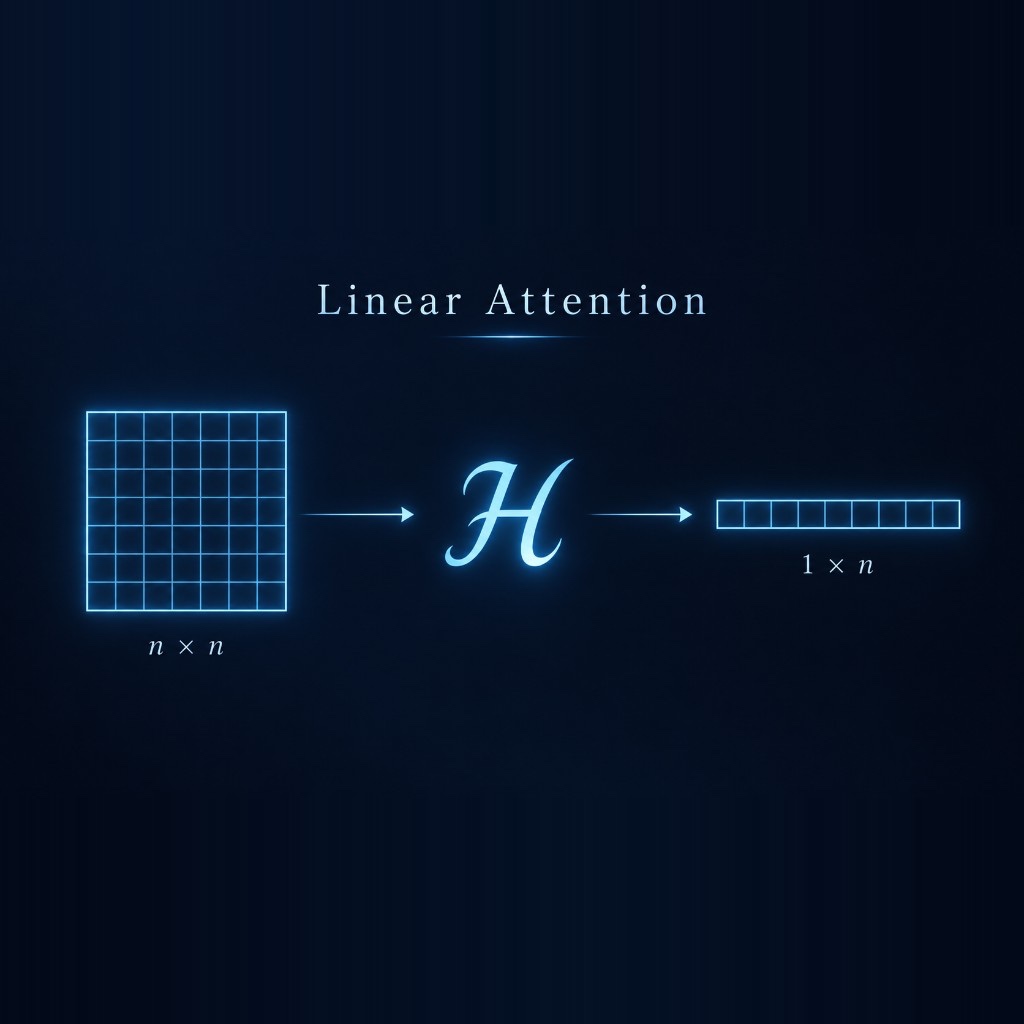
Linear Attention From Scratch
This builds all the theory required to understand linear attention from first principles. It requires no prerequisite knowledge of kernels.

A Holistic View of the Determinant
This does a deep dive into the definition and properties of the determinant. It aims to connect the determinant to m-linear functions, eigenvalues, and singular values, as well as provide geometric intuition for why these properties make sense.
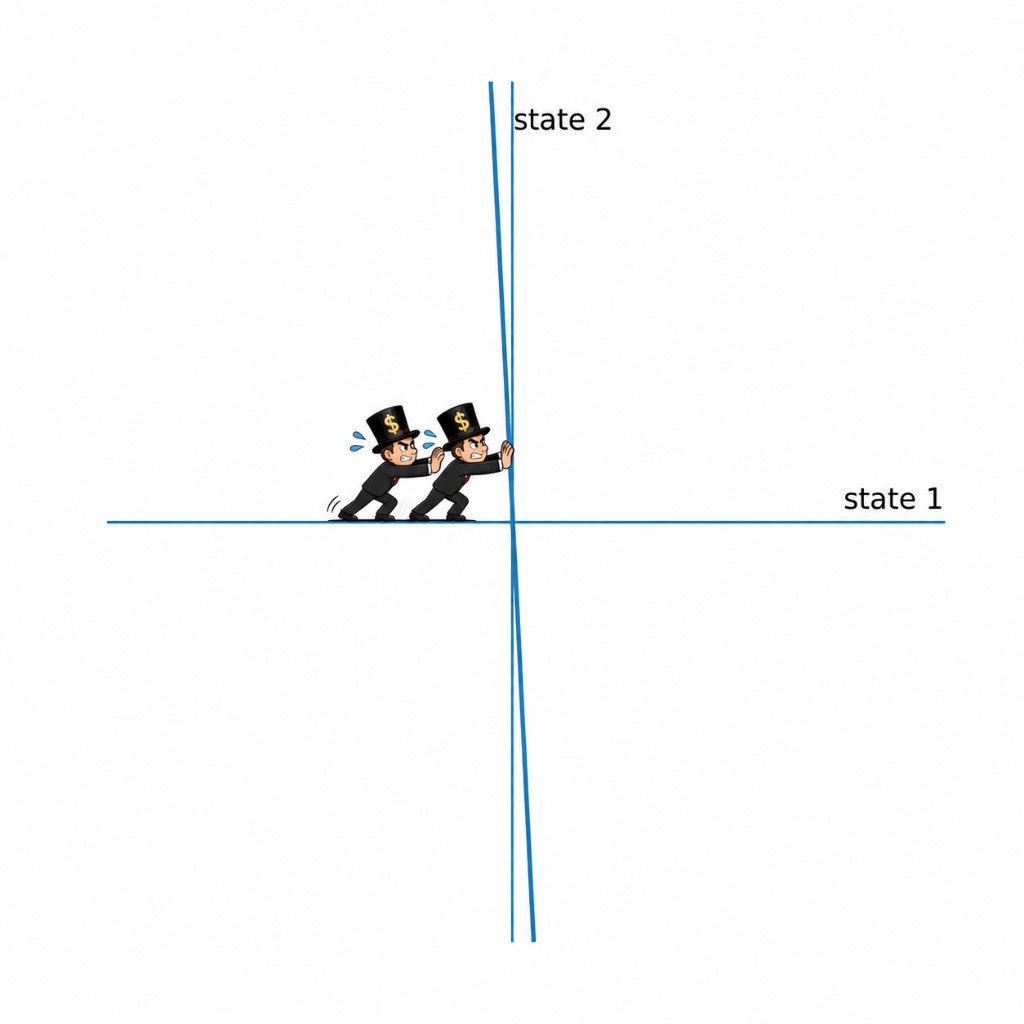
Geometric Intuition for Risk Neutral Pricing
The purpose of this essay is to understand risk neutral pricing geometrically. This is done using a linear algebra result called Stiemke's theorem. This result is first motivated geometrically, then proven, then connected to the existence of risk neutral prices under no arbitrage assumptions.
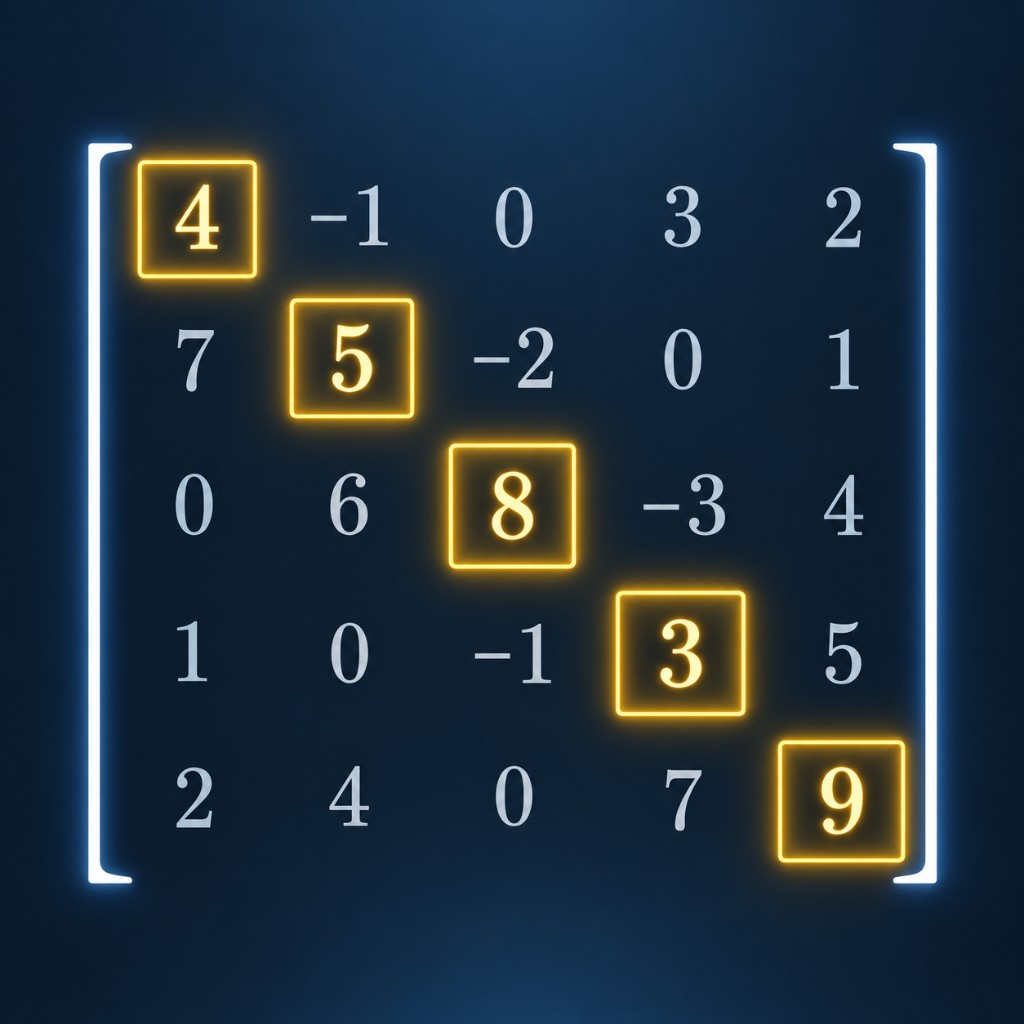
A Holistic View of the Trace
This defines the trace of a matrix, proves its most important properties, and builds intuitions for its relationship to eigenvalues, the determinant, and geometry. I'd suggest you have a strong understanding of the determinant before reading this.
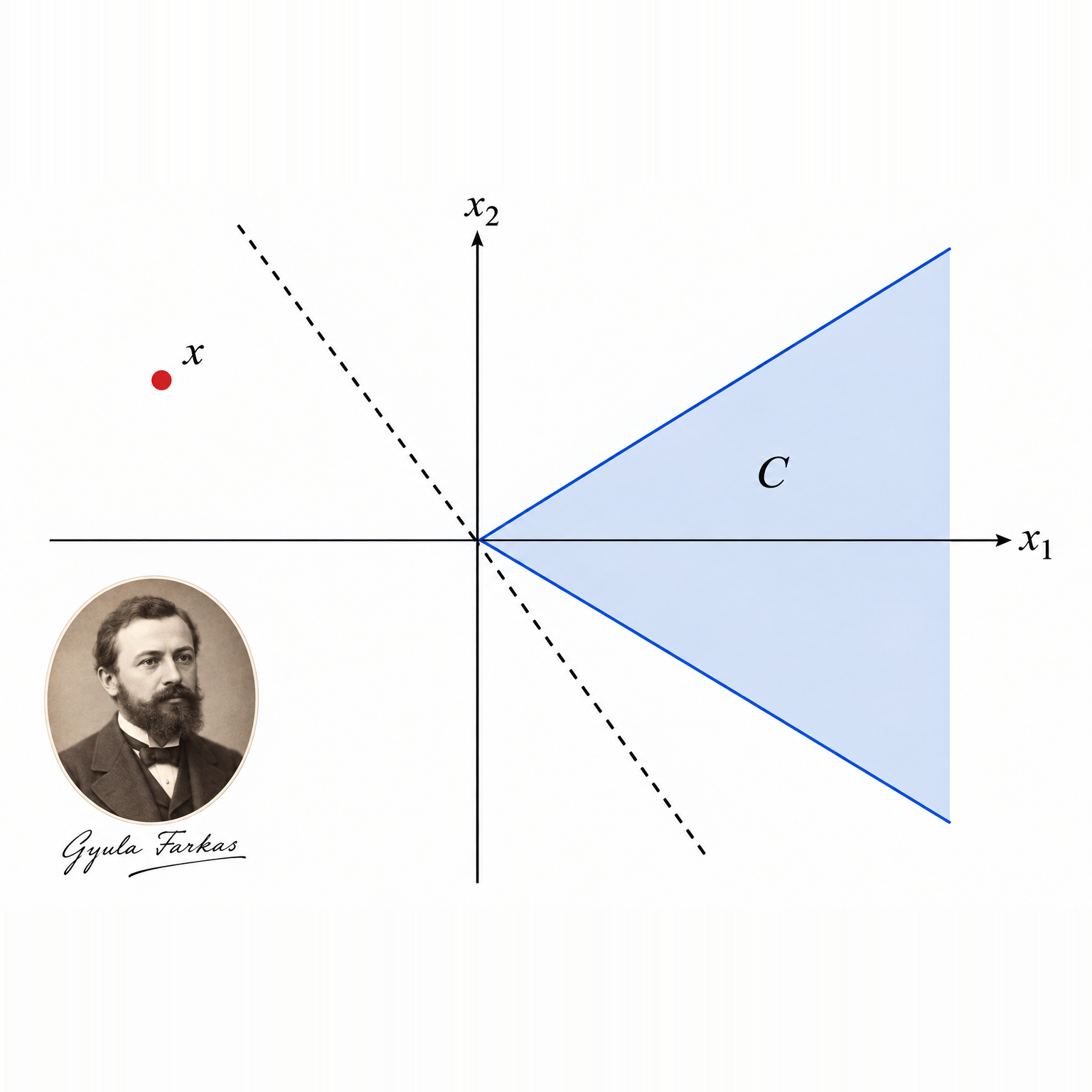
Separability and Duality in Linear Programs
This derives Farkas' Lemma using separability, leaning on as few unproven results as possible. It then uses this result to understand duality in linear programming.